You stop noticing it after a while. Then a guest walks in, or you come home after a weekend away, and there it is: the unmistakable smell of dog.
Room sprays and incense cover it for an hour. The lasting fix is the same as for a dog that still smells after a bath: find the source, then deal with it.
Where dog smell in the house comes from
Smell builds up wherever your dog spends time – and wherever moisture, skin oils and hair collect:
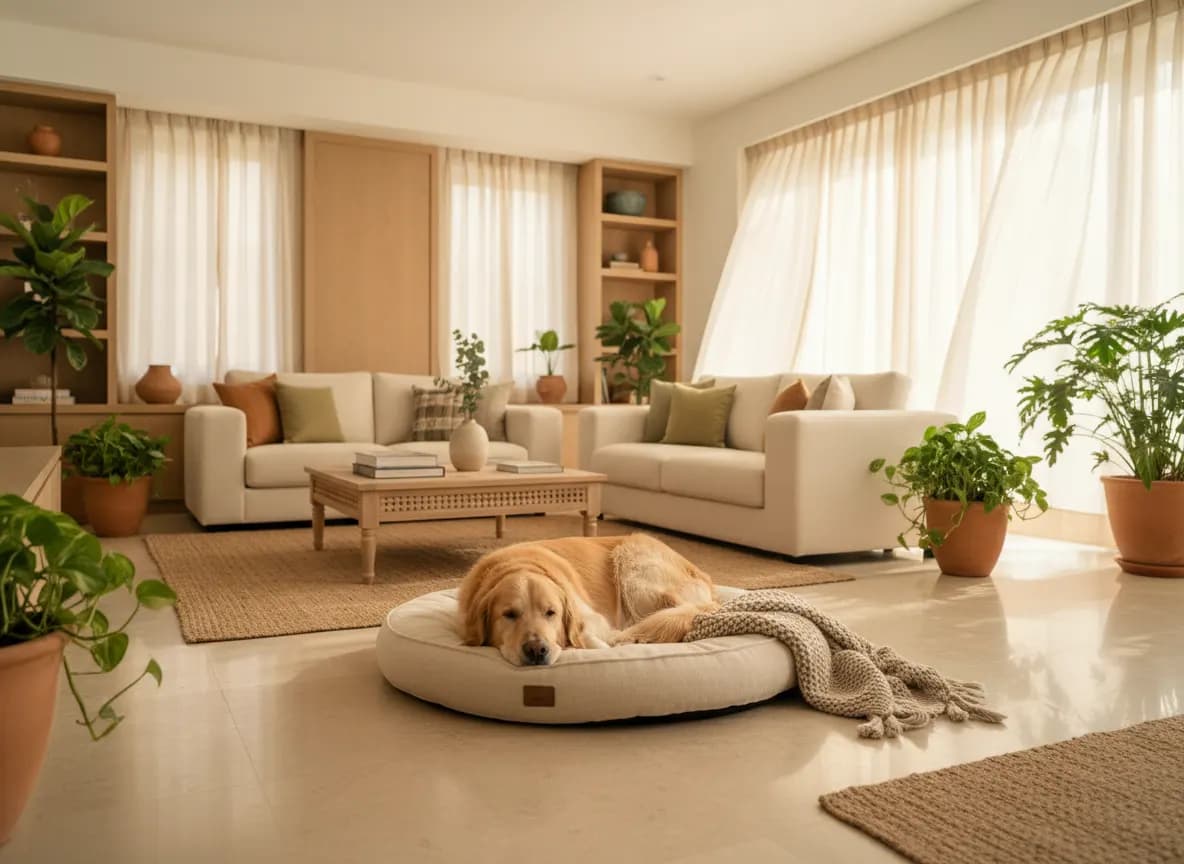
- Dog beds, blankets and towels – the biggest source in most homes.
- Sofas, cushions and rugs your dog lies on.
- Collars and harnesses – worn against the skin, rarely washed.
- Damp – a wet coat after a monsoon walk, damp towels, a humid room that never airs.
- Accidents – urine that wasn’t fully cleaned soaks into floors, grout and rugs.
- The dog itself – a damp coat, ears, skin, teeth or paws.
Start with the dog
If your dog smells, so will everything they lie on.
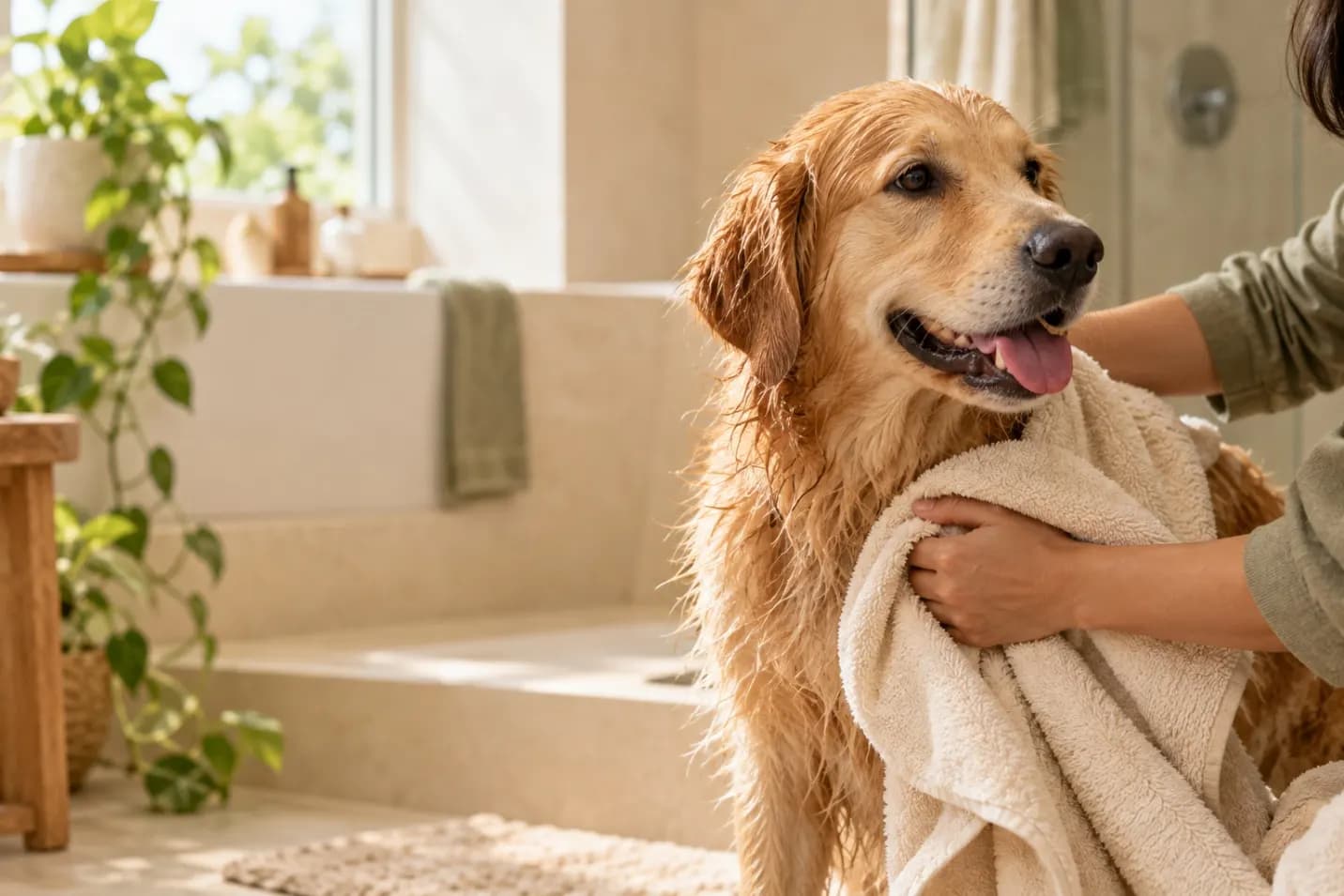
- Bathe when the coat genuinely needs it – and dry it right down to the skin. A damp coat is the most common cause of a musty dog smell.
- Clean the paws after every walk with a no-rinse Paw Cleaner, so street dust and mud don’t come in with them.
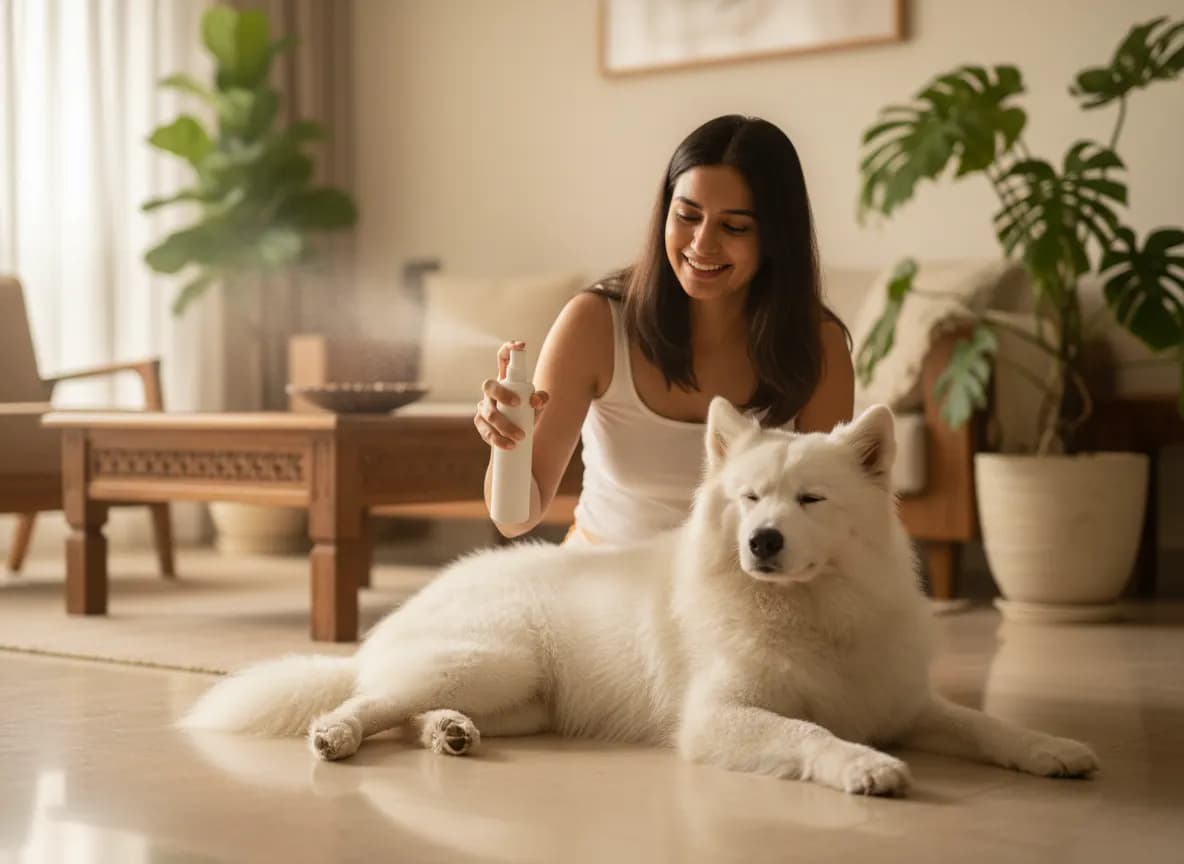
- Between baths, a waterless Dry Foam Shampoo absorbs surface oils and neutralises odour on a coat that’s otherwise clean.
- Check ears, teeth and skin. A smell that comes from one place, or comes back quickly, needs a vet rather than more cleaning.
Wash the bedding – properly
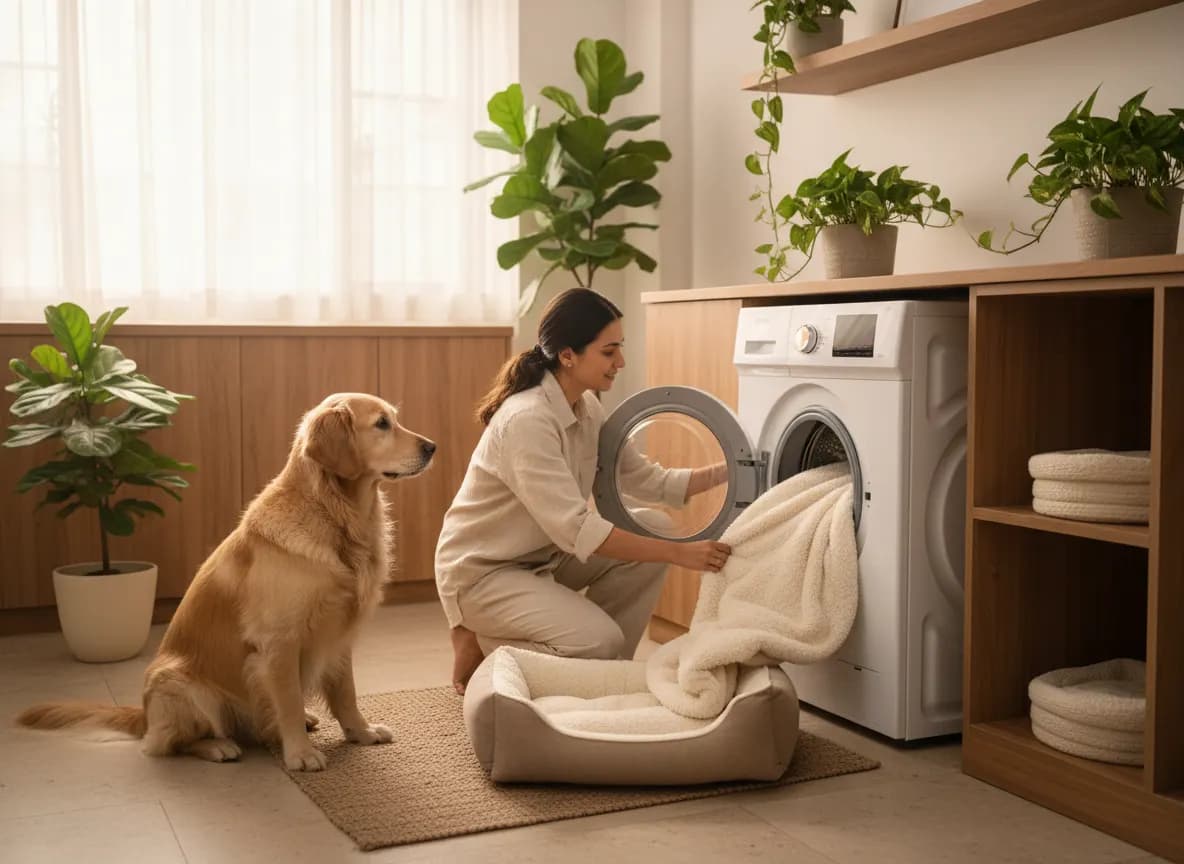
- Wash dog beds, covers, blankets and towels weekly, more often in monsoon.
- Dry them completely, ideally in sunlight – damp bedding smells worse than dirty bedding.
- Have two sets so the bed is never used half-dry.
- Wash collars and harnesses as their material allows, and let them dry fully before putting them back on.
Sofas, rugs and floors

- Vacuum often – hair holds skin oils, and skin oils hold smell. Get under cushions and along edges.
- Sprinkle baking soda on rugs and fabric sofas, leave it for a while, then vacuum it up.
- Use washable throws on your dog’s favourite spots and wash them with the bedding.
- Mop hard floors with a pet-safe floor cleaner, especially near beds and entrances.
Accidents: clean them thoroughly
If urine isn’t fully broken down, the smell lingers and dogs tend to return to the same spot. Blot up as much as you can, then use an enzyme-based pet stain cleaner made for urine, following its directions. Avoid ammonia-based cleaners, which can smell like urine to a dog.
Fix the damp

Humidity is the multiplier. In monsoon and in humid coastal cities:
- Air the house daily – open windows when you can, and run fans.
- Dry towels and wet gear outside the bedroom, not over the dog bed.
- Dry your dog thoroughly after every wet walk before they settle anywhere. More in the monsoon ritual.
Freshen – after you clean
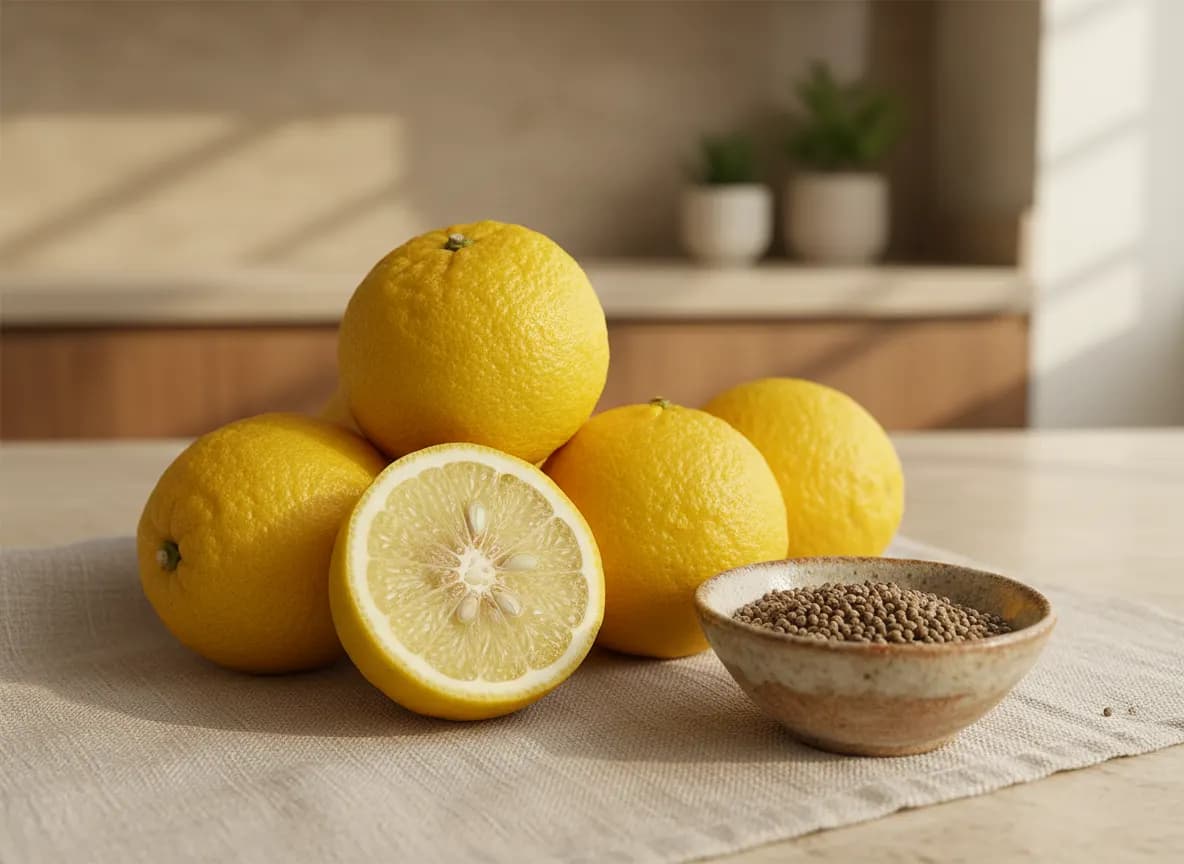
Fragrance works best on top of clean, not instead of it. Once the source is dealt with, a light Refreshing Miston a clean coat adds a fresh note – yuzu and ambrette seed musk that dries into the coat in seconds.
Avoid heavy air fresheners near your dog’s bed – dogs live nose-first, and strong scents can be overwhelming.
A weekly fresh-home routine
| How often | What |
|---|---|
| After every walk | Clean and dry the paws |
| Daily | Air the house; vacuum the dog’s favourite spots |
| Weekly | Wash bedding, blankets, throws and towels; dry fully |
| Every couple of weeks | Wash collars and harnesses; baking soda on rugs |
| When the coat needs it | Bath, rinse well, dry to the skin |
| Between baths | Dry foam for a stale coat; light mist on a clean coat |
When the smell is your dog’s health
If the smell is strong, sudden, or comes from your dog’s ears, mouth, skin or rear – or comes with itching, redness or discharge – see your vet. No amount of cleaning fixes a smell with a medical cause.