
Natural cat groomingNatural grooming products for cats.
Cats groom themselves, so anything left on the coat is eventually licked off. That is why only part of our range is made for cats: the Gentle Daily Shampoo in all three fragrances and the waterless Dry Foam Shampoo. Both are made to a 99.5% Natural Origin Index (calculated per ISO 16128-2), with mild coconut- and sugar-derived cleansers and a probiotic preservative instead of parabens, MIT or phenoxyethanol.
Our Anti-Tick & Flea Spray, Paw Cleaner and Refreshing Mist are for dogs only - they use fragrance actives and functional ingredients that are not suitable for cats.
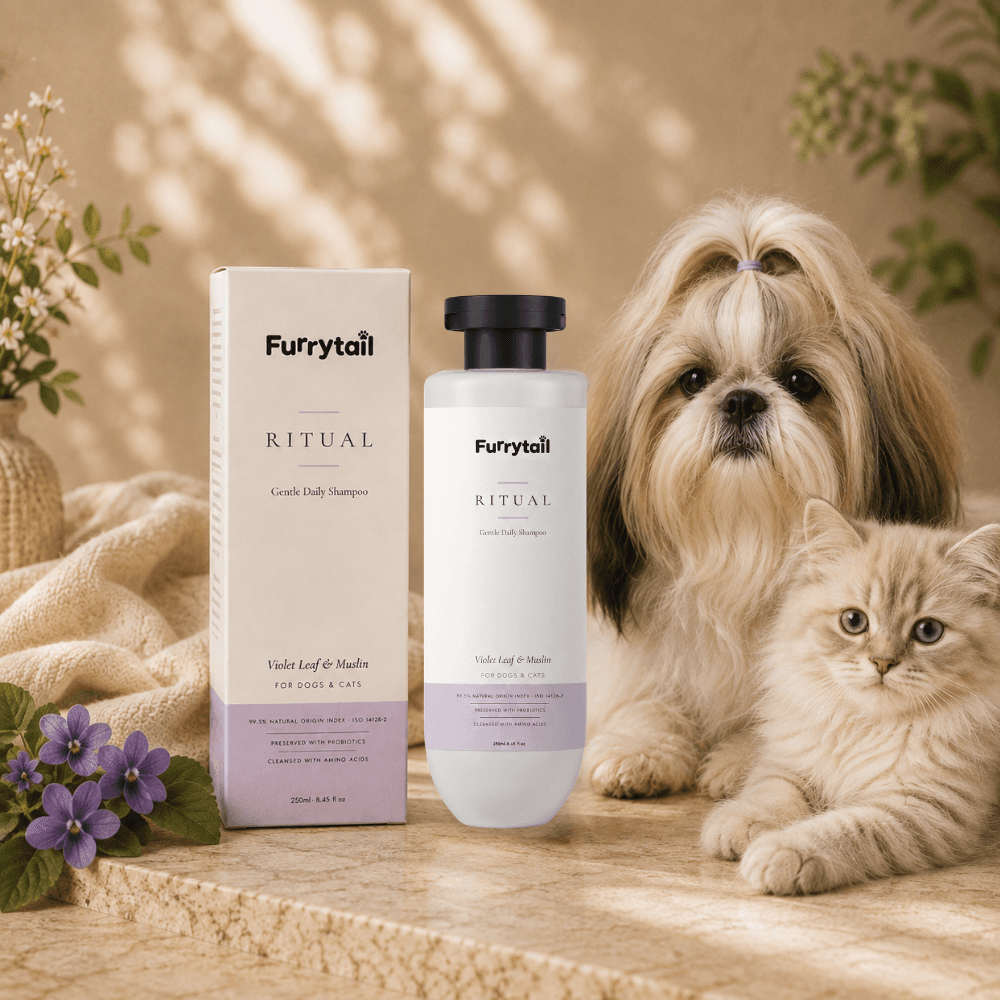
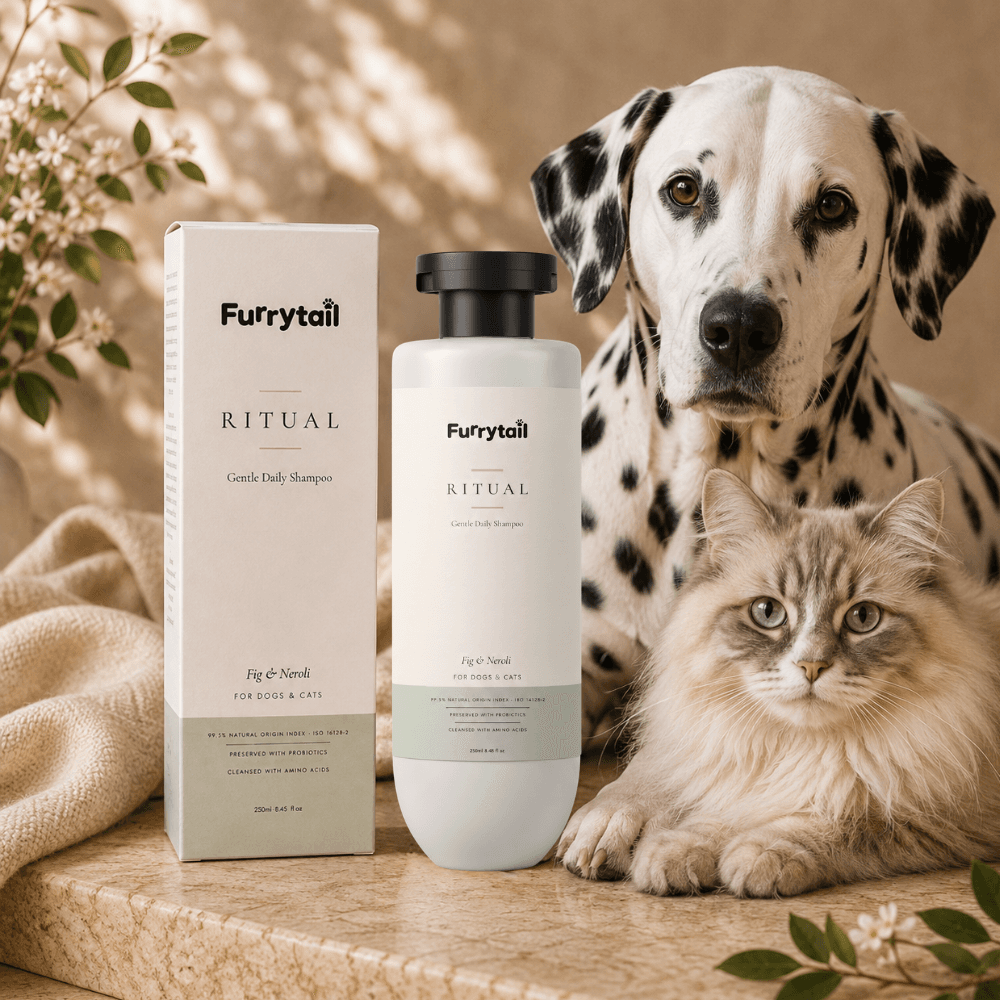
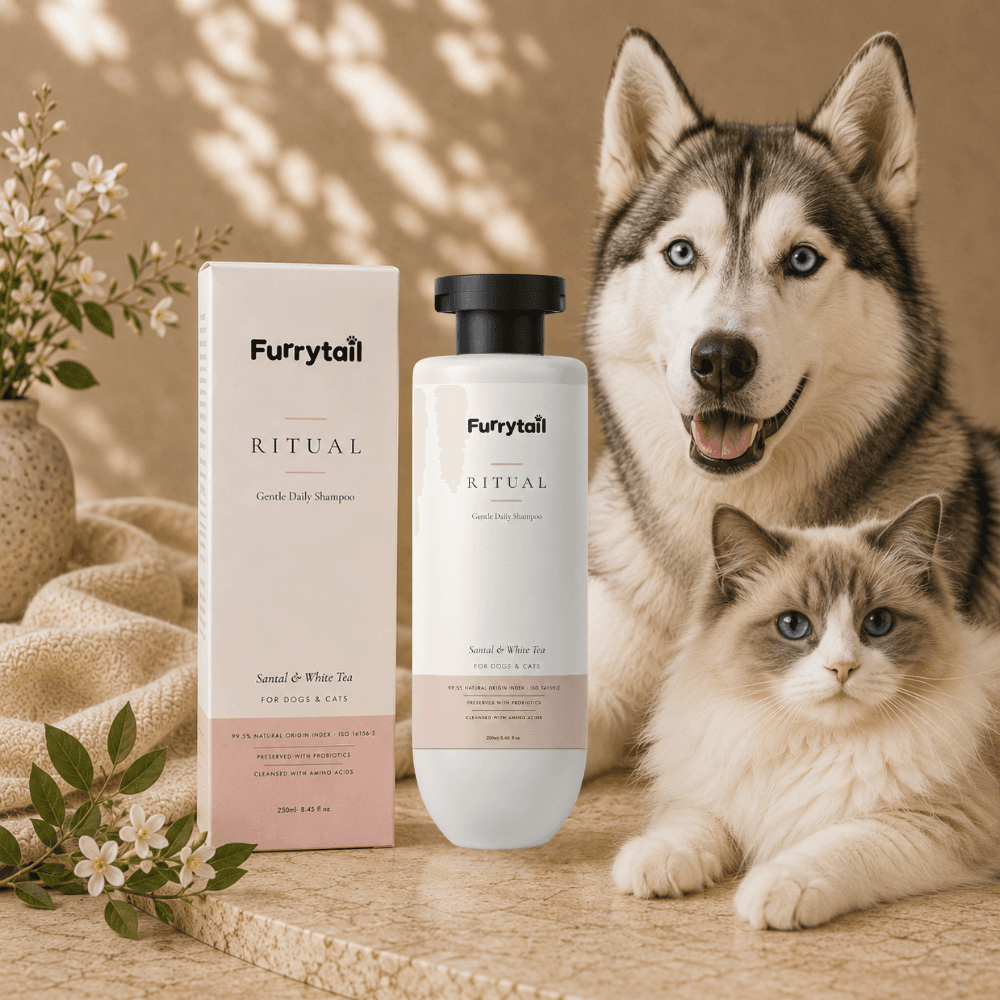
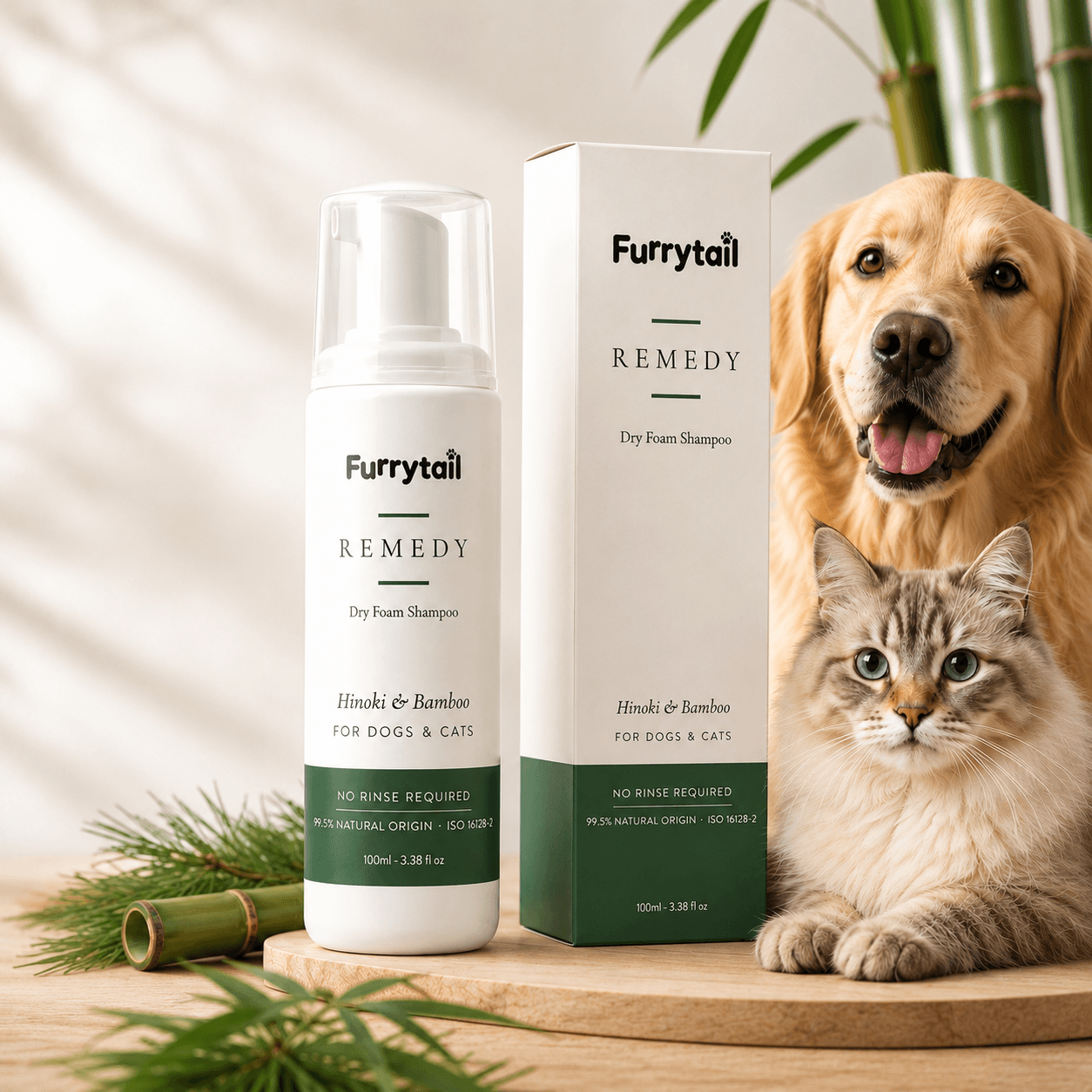
A gentle cat grooming routine
01 · When a bath is needed
Use a mild, sulphate-free cat shampoo
Gentle enough for cats when used as directed. Lather lightly, keep it away from the eyes and rinse thoroughly.
Gentle Daily Shampoo →02 · For cats who hate water
Clean the coat without a bath
A rinse-free dry foam shampoo: work a little into the coat with your hands, then towel off. No running water, no tub.
Dry Foam Shampoo →
Questions pet parents ask
Which Furrytail products are safe for cats?
The Gentle Daily Shampoo (Santal & White Tea, Fig & Neroli, Violet Leaf & Muslin) and the Dry Foam Shampoo are made for both dogs and cats. The Anti-Tick & Flea Spray, Paw Cleaner and Refreshing Mist are for dogs only.
How do I clean a cat that hates baths?
A waterless dry foam shampoo lets you clean the coat without a tub: work a small amount into the fur with your hands and towel it off. Furrytail’s Dry Foam Shampoo is made for both cats and dogs.
Can I use dog shampoo on my cat?
Only if the shampoo is made for cats too - many dog products contain ingredients cats should not ingest when they groom. Furrytail’s Gentle Daily Shampoo and Dry Foam Shampoo are formulated for both.
More answers in the full FAQ · Grooming a dog? See the full dog range
From the journal
Read before you groom.
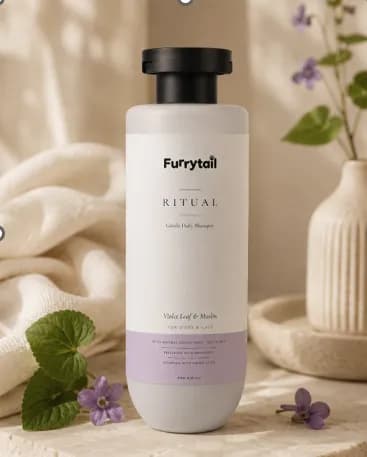
What We Found in Most Pet Shampoos.
A closer look at pet shampoo ingredients: surfactants, fragrance, preservatives, essential oils and what a well-formulated dog or cat shampoo should do.
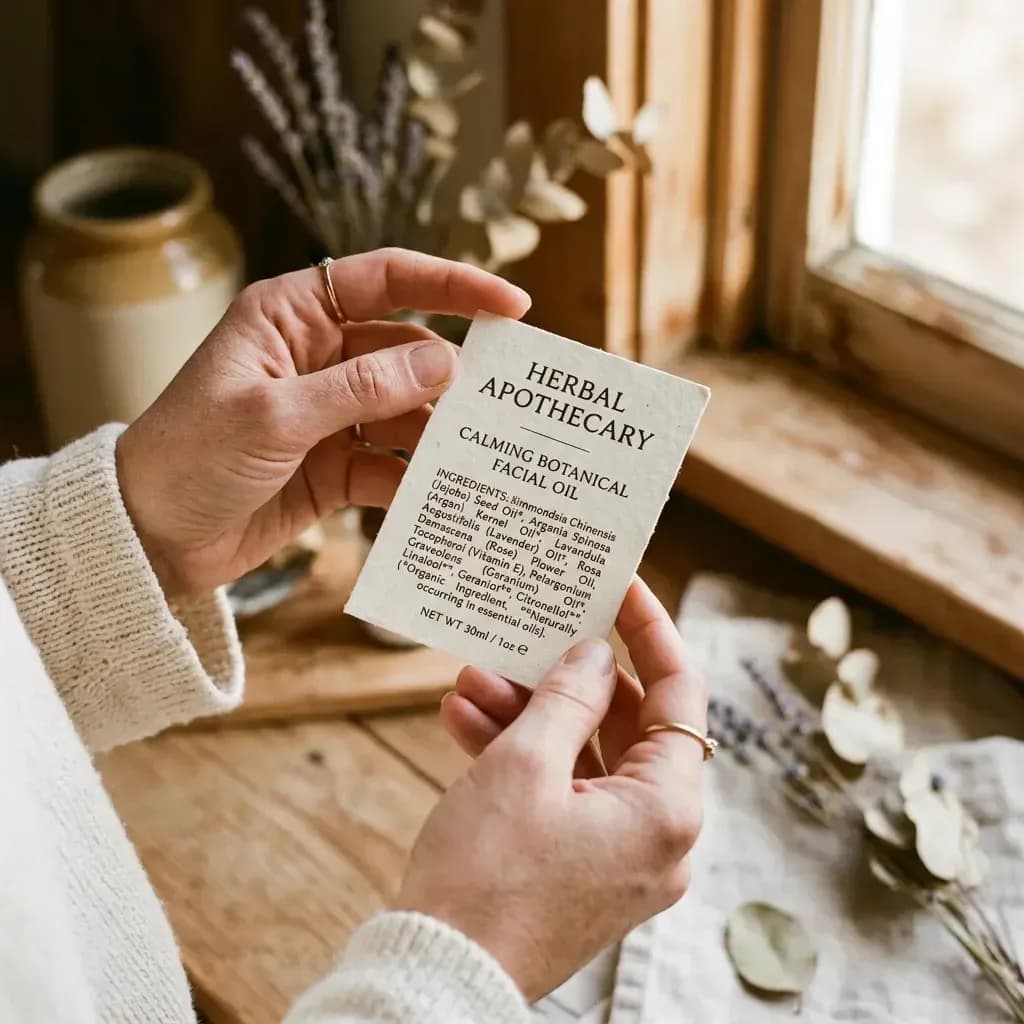
Reading the INCI list.
What INCI means, how to read a pet-care ingredient list without memorising it, and why “natural” is a description rather than a safety verdict.

The probiotic question.
What “probiotic” means on a pet shampoo bottle: Leuconostoc/Radish Root Ferment Filtrate, the skin microbiome, and why preservation is a formulation decision.