A healthy cat should have almost no smell. If your cat smells bad, the most common causes are a dirty or matted bottom, bad breath from dental disease, an ear infection, a skin problem or a cat that can’t groom itself, often because it is older, overweight or in pain. Brushing, careful spot-cleaning and a gentle waterless foam help with coat smells, but a strong, new or persistent smell usually needs a vet.
Find where the smell is coming from
Sniff gently around your cat’s head, mouth, ears, coat and back end. The location tells you most of what you need to know.
| Smell from | Likely causes | What to do |
|---|---|---|
| The bottom | Faeces caught in fur, diarrhoea, anal glands | Clean gently; see a vet if it keeps happening |
| The mouth | Dental disease, gum infection | Vet dental check |
| The ears | Ear infection, ear mites | Vet check; don’t put anything in the ear |
| The coat | Greasy fur, an older cat that can’t groom, something it rolled in | Brush, spot-clean, waterless foam |
| A specific spot | Wound or abscess, often after a fight | Vet promptly |
| The urine | Urinary infection, kidney problems | Vet, especially if it’s urinating more or less |
The common causes of a smelly cat
1. A dirty or matted bottom
Long-haired cats, overweight cats and older cats often can’t clean their back end, so faeces get caught in the fur. It is one of the most common reasons a cat “smells bad after pooping”.
What helps: gently clean the area with a soft, damp cloth or unscented pet wipe. Comb out small tangles. For heavy matting, ask a groomer or vet for a hygiene trim; don’t cut mats with scissors close to the skin. Repeated soft stools need a vet.
2. Bad breath
Dental disease is very common in adult cats. Breath that smells foul, along with drooling, red gums or reluctance to eat, needs a vet’s dental check.
3. Ears
A yeasty or sour smell from the ears, dark wax, head shaking or scratching can mean an infection or ear mites. See a vet; don’t put cotton buds or home remedies into a cat’s ear.
4. A cat that can’t groom
Cats who are older, overweight, arthritic or unwell often stop grooming parts of their body, especially the lower back and base of the tail. The coat becomes greasy, flaky and smelly. A sudden change in grooming is a reason to see your vet, because it often signals pain or illness. Read cat dandruff and greasy fur.
5. Skin infections and wounds
A cat that has been in a fight can develop an abscess, a painful swelling that may burst and smell foul. Skin infections, yeast and some parasites also cause odour. These need a vet.
6. Anal glands and fear
Some people notice their cat smells bad when scared, at the vet or in the car. Frightened cats can release their anal glands, which smell strong and fishy. An occasional episode is normal; a lingering smell or scooting needs a vet.
7. Something it rolled in, or the litter box
Sometimes the answer is simple: a dirty litter box, something spilled on the coat, or a smoky kitchen. Clean the litter box daily and the smell usually goes.
How to help a smelly cat at home
Once a medical cause is ruled out:
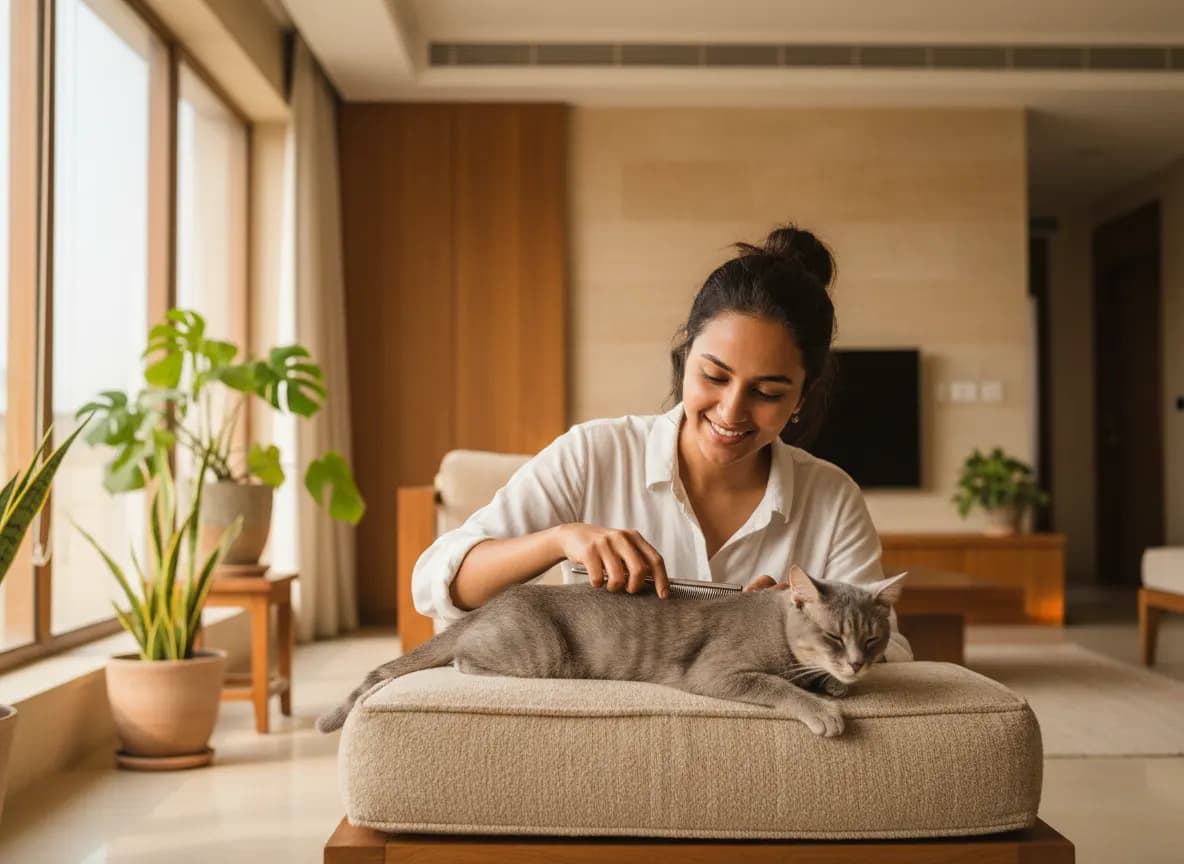
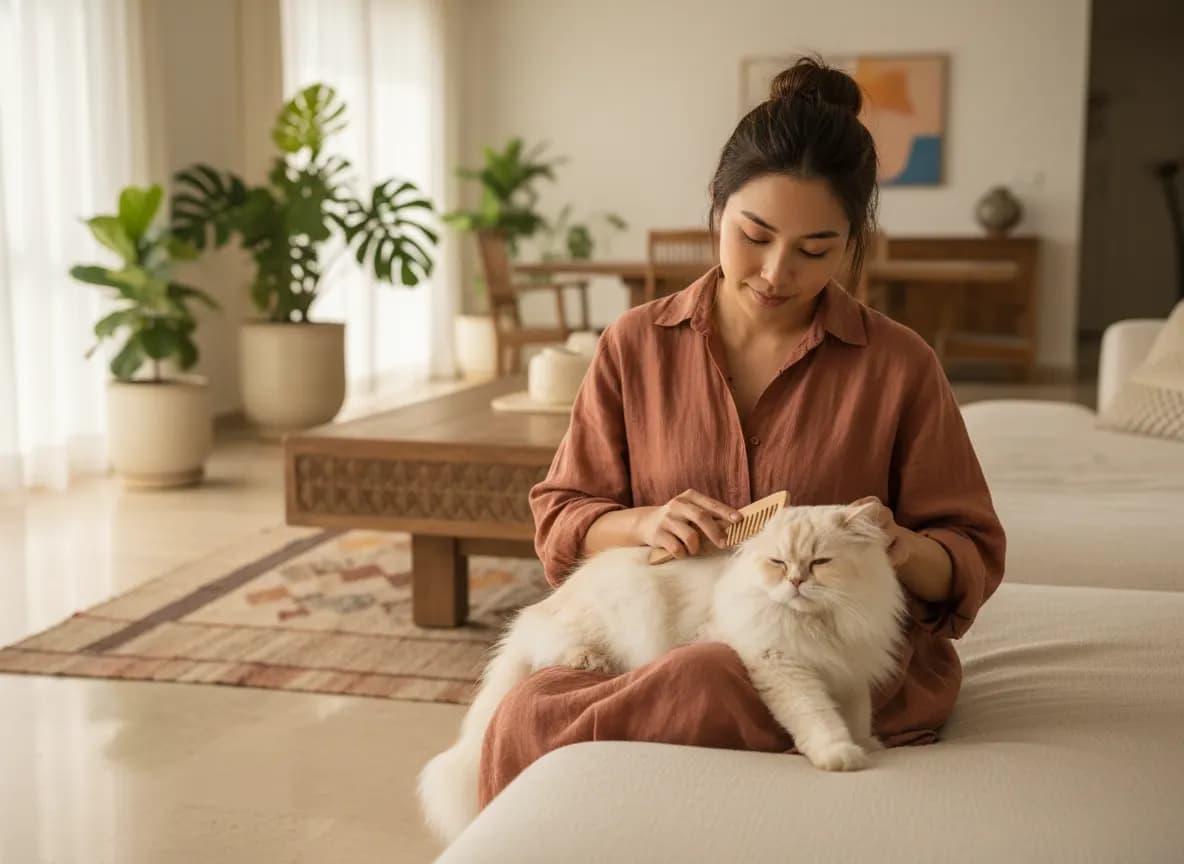
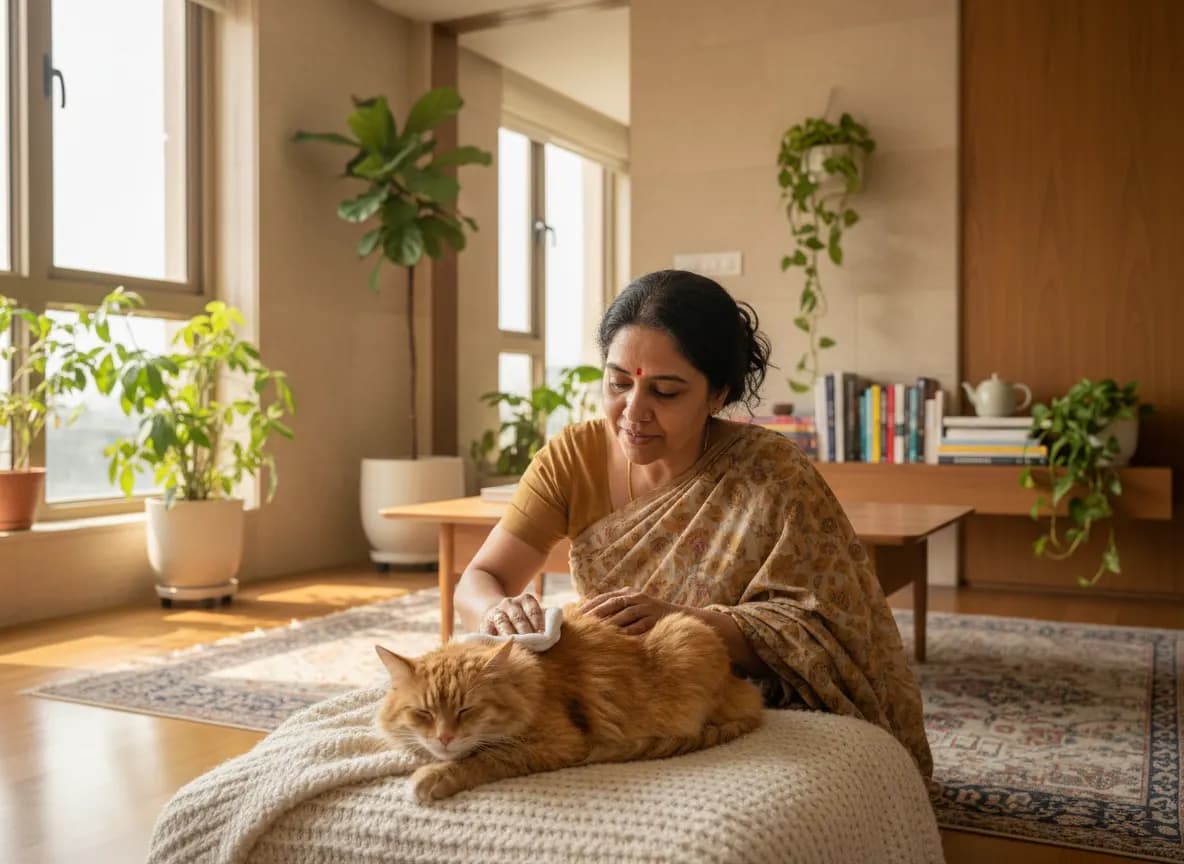
- Brush regularly. Daily for long-haired cats, a few times a week for short-haired ones. Brushing removes oil, loose hair and dead skin.
- Spot-clean dirty areas with a soft, damp cloth.
- Use a waterless foam on greasy or slightly smelly areas. Furrytail Dry Foam Shampoo is made for cats and dogs: a no-rinse foam that absorbs surface oils and neutralises odour, with no synthetic fragrance. Massage a little in by hand, let it dry and brush through. See our best dry shampoo for cats review.
- Bathe only when needed, with a shampoo made for cats. Furrytail Gentle Daily Shampoo is made for cats and dogs, with no synthetic fragrance; Violet Leaf & Muslin is the softest scent. Our guide can you bathe a cat? shows how.
- Keep the litter box clean, scooped daily and washed weekly.
- Wash bedding every week or two.
Never use perfume on a cat
It’s tempting to cover the smell, but don’t spray perfume, deodorant or dog sprays on a cat. Cats groom off whatever is on their coat, and many products, including dog sprays, aren’t made for cats. Most dog sprays, including Furrytail Refreshing Mist and Defense, are for dogs only. Fix the cause instead.
Why does my cat smell bad after a bath?
Usually because the coat wasn’t fully dried, or shampoo was left in the fur. Rinse until the water runs clear and towel dry thoroughly in a warm room. If the smell returns quickly, it’s coming from somewhere else: the mouth, ears, skin or bottom.
When to see a vet
- the smell is new, strong or sudden
- your cat has stopped grooming or its coat looks greasy and unkempt
- you notice bad breath, drooling or red gums
- there’s a swelling, wound or discharge
- your cat is scooting, licking its bottom a lot, or has diarrhoea
- your cat seems unwell, is eating less or is hiding