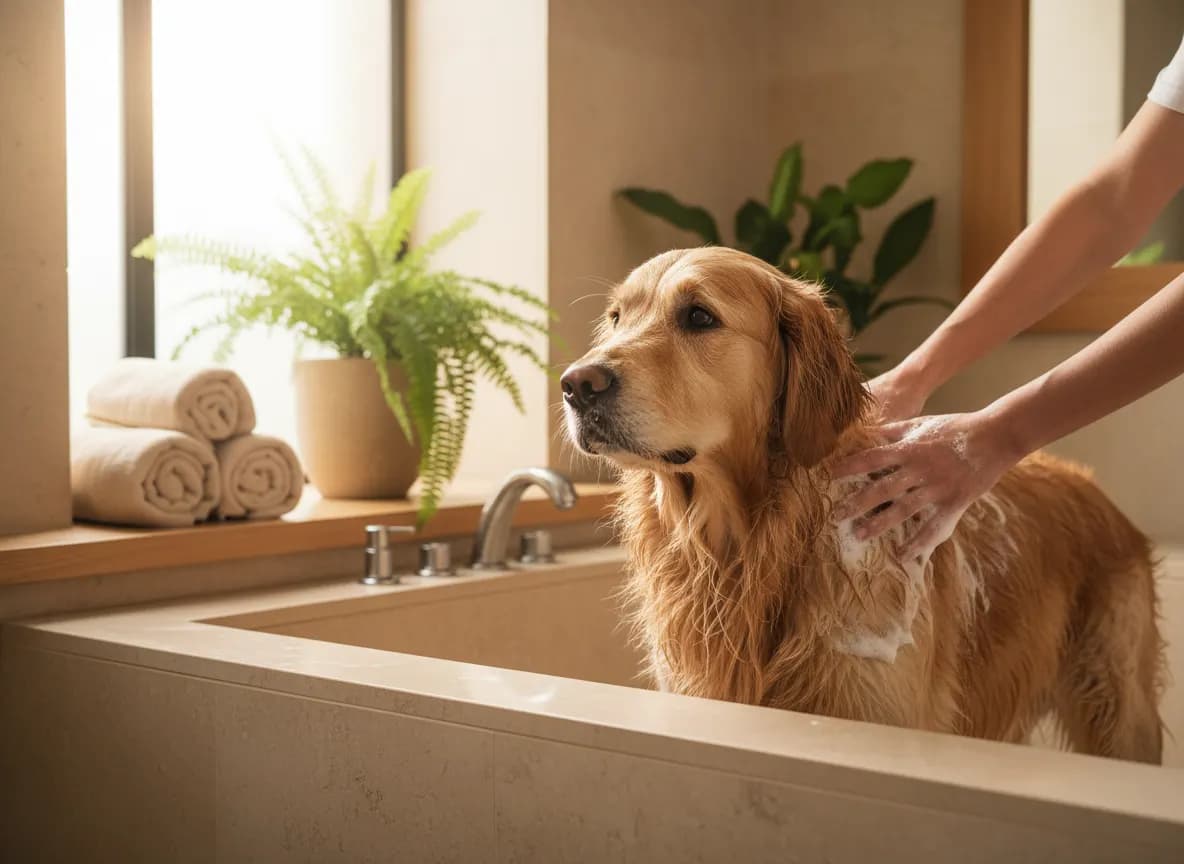
The dog is muddy, the pet shampoo has run out, and there is a perfectly good bottle of shampoo on the bathroom shelf. It’s one of the most common grooming questions there is: can I use human shampoo on my dog?
The short answer is that it’s the wrong tool for the job. Not because one wash is an emergency, but because a shampoo is designed around the skin it’s meant for – and a dog’s skin is not a smaller version of ours.
Dog skin is not human skin
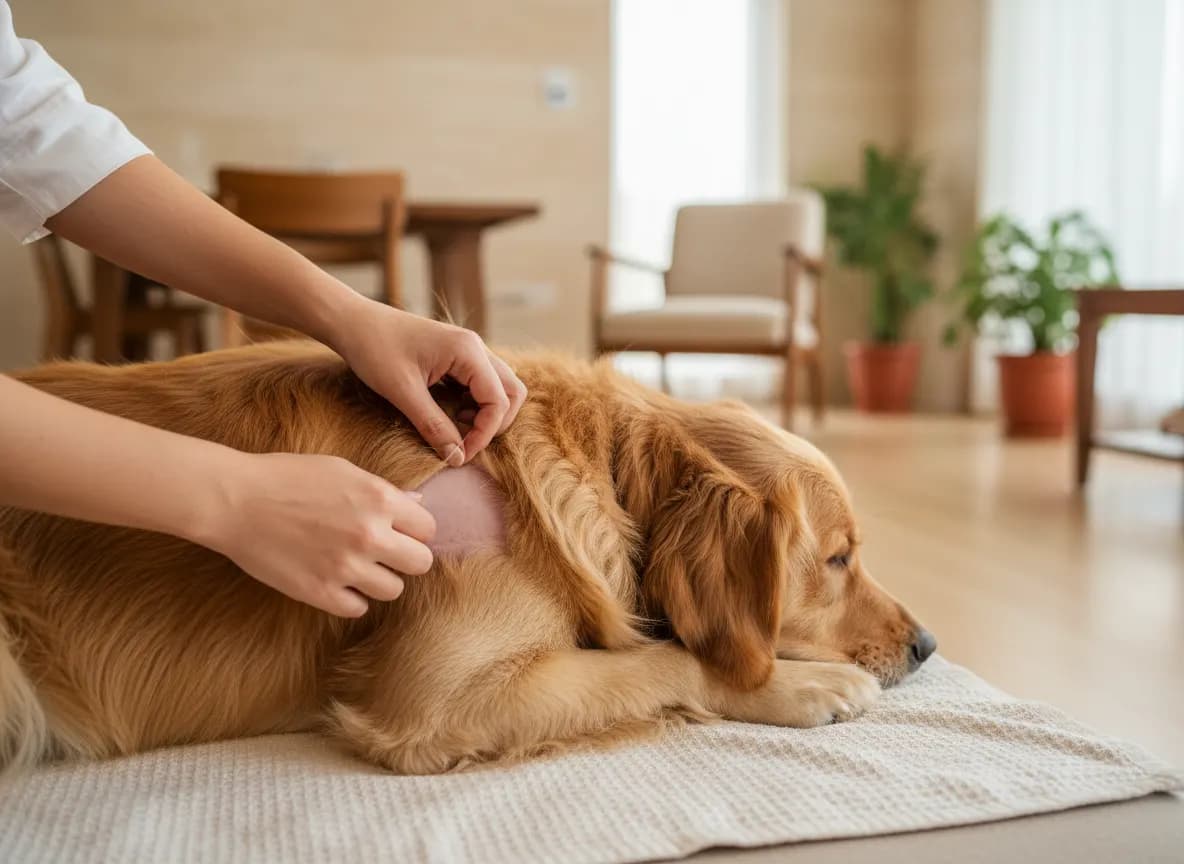
Human skin is mildly acidic. Shampoos made for people are formulated to suit that, and to clean hair that grows very differently from a coat.
Canine skin generally sits at a higher, less acidic pH, and it varies more between dogs and between areas of the body. A dog’s outer skin layer is also thinner than ours, and a coat holds water, product and residue close to the skin in a way human hair doesn’t.
So a shampoo can be perfectly gentle for peopleand still be the wrong match for a dog. That is why a pet shampoo’s pH and cleansing system should be formulated for the species that will use it.
What a human shampoo is built to do
Most shampoos made for people are designed for a scalp that produces oil quickly and is washed often. Many rely on stronger foaming cleansers, and many are heavily fragranced, because for people a rich lather and a lasting scent signal “clean”.
None of that is a fault – for human hair. On a dog, the same choices can mean:
- more cleansing than the skin needs, taking natural oils with the dirt;
- fragrance designed for people, not for an animal that lives nose-first;
- residue left in a dense coat, where it sits against the skin after the bath.
“But it’s baby shampoo”
Baby shampoo is gentler than many adult shampoos – but it is still formulated for human skin. Gentle for a baby’s scalp is not the same as appropriate for a dog’s skin, or for a cat who will lick the coat afterwards. It’s a better emergency option than a harsh shampoo, not a substitute for a dog shampoo.
What about cats and puppies?
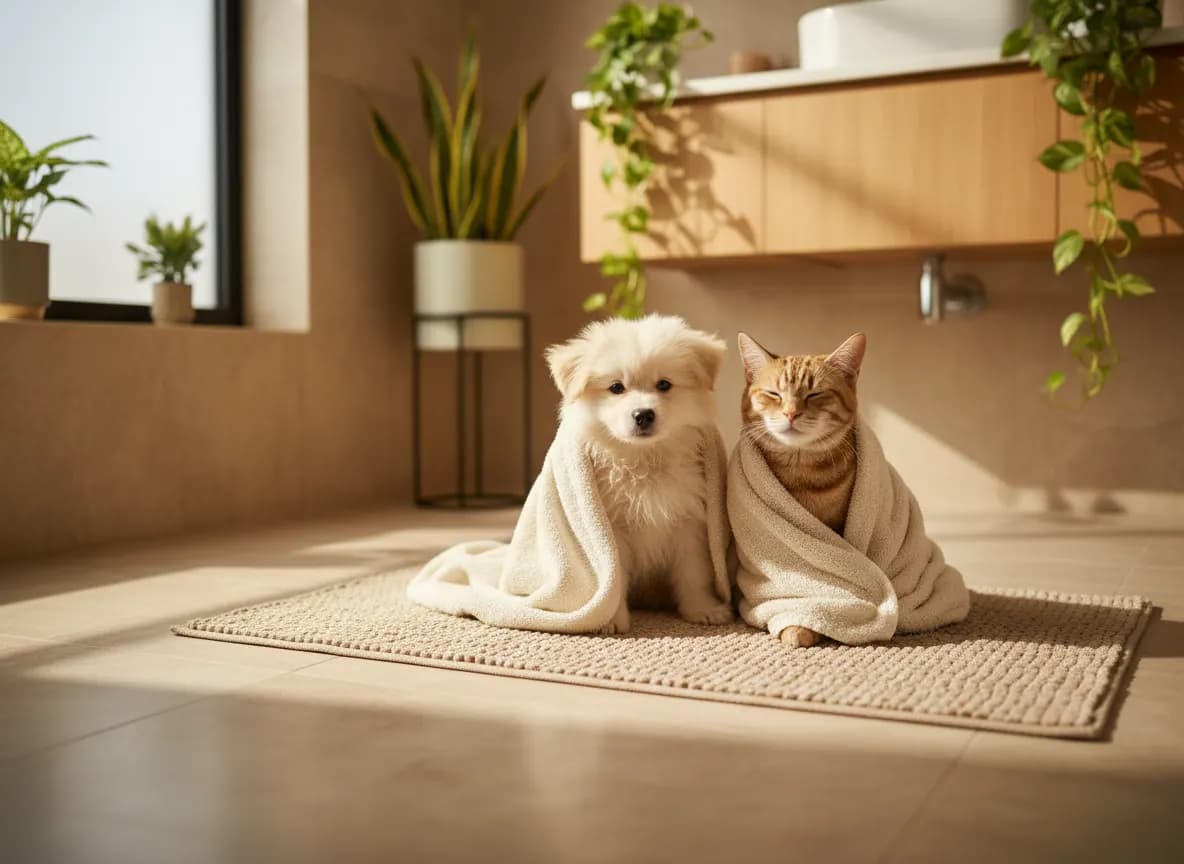
Catsgroom themselves, so whatever is left on the coat is eventually swallowed. A shampoo for a cat should be made for cats – not borrowed from a human or even a dog-only product.
Puppies have delicate skin and are still getting used to handling and water. Check with your vet before bathing a puppy under 12 weeks, and use a shampoo formulated for pets.
I already used it once. Is my dog OK?
In most cases, a single wash with a mild human shampoo is not a crisis. Rinse the coat thoroughly, dry it well, and watch the skin over the next few days. If you notice redness, flaking, itching or scratching that persists, speak to your vet.
The aim isn’t to panic about one bath. It’s to avoid making a mismatched product part of the routine.
What to look for in a dog shampoo instead
Turn the bottle around and read the formula, not just the front label. A good everyday dog shampoo should be:
- Made for dogs – and for cats too, if you’ll use it on a cat.
- pH-balanced for pets, not for people.
- Mild in how it cleans – without sulphates that strip the skin barrier.
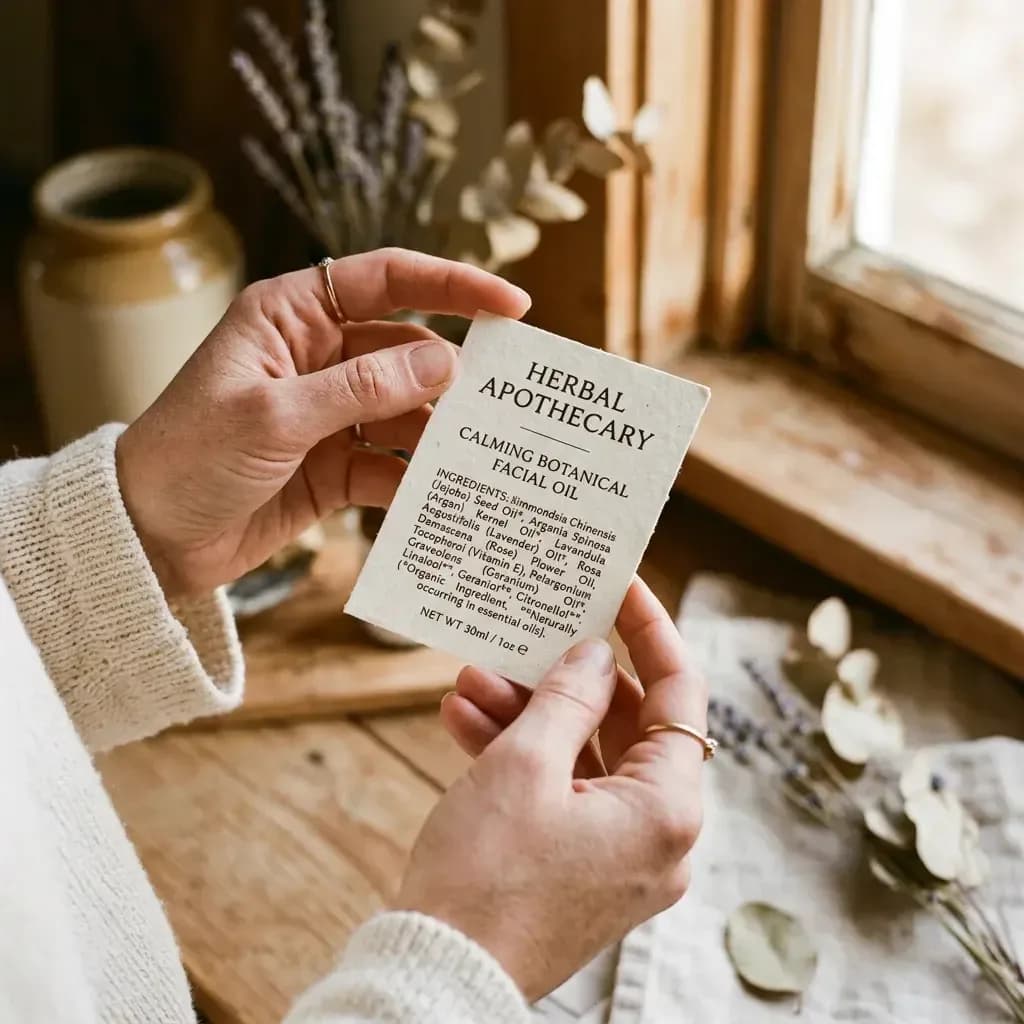
- Clear about its ingredients, with a full INCI list on the pack (here’s how to read one).
- Honest about fragrance and preservation – what’s in it, and what’s been left out.
Furrytail’s Gentle Daily Shampoois built that way: a sensitive-skin, pH-balanced formulation for dogs and cats, cleansed with amino acid-derived surfactants instead of sulphates and preserved with probiotics instead of synthetic preservatives. Expect less lather than a human shampoo – that’s the point: sulphates make foam, and foam was never the measure of clean.
The takeaway
Human shampoo isn’t poison, and one bath with it isn’t a disaster. But it is made for human skin – its pH, its cleansers and its fragrance all start from a different place.
Your dog’s bath deserves a formula made for your dog. And how oftenyou use it matters just as much as what’s in the bottle.